
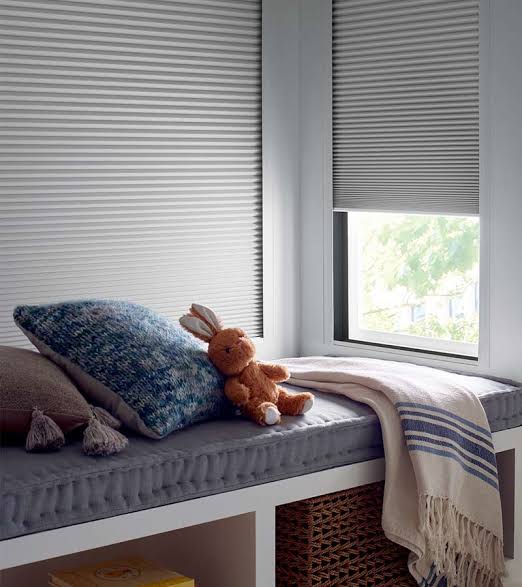
What Do Cellular Shades Actually Cost in Lake Norman?
If you’re watching your Duke Energy bills climb every summer and winter, you’re asking the right question. Cellular shades in Lake Norman typically range from $45 to $150 per window for standard sizes, with custom-fitted options for larger lakefront windows running higher. The investment pays for itself through measurable energy savings—and that’s exactly why Lake Norman homeowners from Jetton Road to Norman Shores are making the switch.
Made in the Shade Lake Norman provides free in-home assessments that show you exactly what your specific windows need and what you can expect to save. Unlike generic big-box estimates, your quote reflects the actual dimensions of your home—whether you’re in a traditional brick colonial near Birkdale Village or a modern lake house in Westport with floor-to-ceiling glass.
Breaking Down the Price Factors
Your final cost depends on several variables unique to your home:
- Window dimensions: Lake houses often feature oversized windows that require custom fabrication
- Cell size: Single-cell shades cost less; double-cell (or “honeycomb”) shades offer superior insulation
- Light filtering vs. blackout: Room-darkening fabrics add roughly 10-15% to base pricing
- Cordless or motorized operation: Motorization is popular for hard-to-reach lakefront windows
- Number of windows: Whole-home installations typically qualify for volume pricing
Here’s what Lake Norman homeowners typically see for standard window sizes:
| Window Width | Single-Cell Estimate | Double-Cell Estimate |
|---|---|---|
| 24-36 inches | $45-$75 | $65-$100 |
| 36-48 inches | $70-$110 | $95-$140 |
| 48-72 inches | $100-$150 | $130-$200 |
| Custom/oversized | Quote required | Quote required |
These estimates reflect current Lake Norman market pricing. Your actual cost depends on the specific manufacturer, fabric grade, and installation complexity of your home.
Why Your Duke Energy Bills Keep Climbing
Lake Norman’s climate creates a double challenge that most window treatments can’t handle. Summer humidity pushes your air conditioning hard from May through September, while winter cold snaps force your heating system into overtime. Standard blinds and curtains do almost nothing to address either problem.
The real culprit is thermal transfer through your windows. Glass is a poor insulator, and older homes throughout Davidson, Cornelius, and Huntersville often have single-pane or early double-pane windows that leak conditioned air constantly. Even newer construction around Norman Shores can struggle with the massive window walls that Lake Norman buyers love.
“The trapped air pockets in cellular shades create an insulating barrier that significantly reduces heat transfer—something flat blinds or traditional curtains simply cannot accomplish.”
How Honeycomb Construction Actually Works
Cellular shades—also called honeycomb blinds—use a distinctive pleated design that creates one or more air pockets running horizontally across the shade. These air pockets act as insulation, similar to the principle behind double-pane windows or insulated walls.
When you lower a cellular shade:
- Trapped air in the honeycomb cells slows heat transfer between your interior and the window glass
- The fabric blocks direct solar heat gain during summer months
- In winter, the same barrier keeps heated interior air from escaping through cold glass
- Humidity fluctuations near the window are moderated, reducing condensation
Double-cell shades contain two layers of honeycomb pockets, providing even greater insulating value. For Lake Norman homes with west-facing windows that bake in afternoon sun, this extra layer makes a noticeable difference in both comfort and cooling costs.
Choosing the Right Cellular Shades for Your Home Style
Lake Norman’s architectural diversity means there’s no one-size-fits-all recommendation. What works beautifully in a brick colonial near Lake Norman Regional Medical Center might look out of place in a contemporary lakefront build.
Traditional Brick Colonials
The classic Lake Norman colonial—common in established neighborhoods throughout Davidson and Huntersville—typically features standard-sized double-hung windows with decorative trim. For these homes, consider:
- Inside-mount cellular shades in neutral tones that complement existing millwork
- 3/8-inch or 1/2-inch pleat sizes for a tailored appearance
- Top-down/bottom-up operation for privacy control without blocking natural light
- Light-filtering fabrics for living spaces; room-darkening for bedrooms
The older construction of many Lake Norman colonials means your windows may not be perfectly square. Professional measurement ensures your shades fit properly without gaps that defeat the insulating purpose.
Modern Lake Houses
Contemporary lakefront properties—especially along Jetton Road and throughout Westport—often feature dramatic window walls, sliding glass doors, and non-standard shapes. Your considerations shift accordingly:
- Motorized shades become practical necessities for out-of-reach installations
- Larger pleat sizes (3/4-inch or 1-inch) scale better with oversized windows
- Specialty shapes like arches, angles, and trapezoids require custom templates
- Double-cell construction provides maximum insulation for all that exposed glass
Many modern Lake Norman homes have minimal wall space between windows. In these situations, continuous shade systems that span multiple window units create a cleaner look while eliminating light gaps.
Installation Mistakes That Cost You Money
The energy efficiency of cellular shades depends entirely on proper fit. Gaps, incorrect mounting, and poor fabric selection can reduce your savings dramatically—or eliminate them entirely.
Common DIY Pitfalls
Big-box store shades come in standard sizes that rarely match Lake Norman window dimensions exactly. The resulting gaps allow air to flow freely around the shade, bypassing the honeycomb insulation entirely. Other frequent problems include:
- Incorrect depth measurement: Inside-mount shades require adequate window frame depth; too shallow and the shade won’t operate properly
- Ignoring window condition: Warped frames, damaged weatherstripping, and failed seals need attention before shades add value
- Wrong fabric weight: Flimsy fabrics sag over time, creating gaps at the sides
- Skipping the consultation: Each room has different light, privacy, and temperature needs
Professional installation includes precise measurement, hardware selection appropriate for your window type, and proper tensioning that maintains the shade’s insulating seal over years of use.
What to Avoid When Shopping
Not all cellular shades deliver equivalent energy performance. Watch for these warning signs:
- Unusually low prices often indicate thin, non-durable fabrics
- Limited color and size options suggest you’ll compromise on fit
- No professional measurement service means you’re guessing at dimensions
- Missing manufacturer warranty leaves you unprotected against defects
Made in the Shade Lake Norman works with manufacturer-backed fabrics and provides professional measurement for every installation. Your shades are custom-fabricated to your exact window dimensions—no gaps, no guesswork.
Schedule Your Lake Norman Energy Assessment
Your neighbors in Norman Shores, throughout Davidson, and across the Lake Norman area are already cutting their Duke Energy bills with properly fitted cellular shades. You can see the same results.
Made in the Shade Lake Norman offers free in-home energy assessments that show you exactly which windows are costing you the most and which cellular shade options will deliver the best return on your investment. Whether you own a vintage colonial near Birkdale Village or a modern build in Cornelius, your quote reflects your actual home—not a generic estimate.
Request your free energy savings assessment today. Call (704) 620-1869 or schedule online. We’ll measure your windows, discuss your insulation goals, and provide pricing you can count on—no pressure, no obligation.
Frequently Asked Questions
How much can cellular shades reduce my heating and cooling costs in Lake Norman?
Savings vary based on your home’s existing insulation, window count, and orientation. Homes with older single-pane windows or large west-facing glass walls typically see the most dramatic reductions. During your free assessment, Made in the Shade Lake Norman evaluates your specific situation to give you realistic expectations rather than generic percentages.
Are double-cell honeycomb blinds worth the extra cost for Huntersville and Davidson homes?
Double-cell shades provide noticeably better insulation than single-cell options, making them particularly valuable for rooms with significant glass exposure or homes with older windows. If your Duke Energy bills spike during both summer cooling and winter heating seasons, the additional investment in double-cell construction typically pays back faster than in milder climates.
Can cellular shades be installed on the oversized windows common in Lake Norman lake houses?
Yes—custom fabrication accommodates windows of virtually any size, including the floor-to-ceiling glass walls popular in Westport and along Jetton Road. Motorized operation is recommended for large or hard-to-reach installations. Professional measurement is essential for oversized windows to ensure proper fit and insulating performance.
Do I need to replace my windows before installing energy efficient window treatments?
Not necessarily. Cellular shades improve the thermal performance of existing windows regardless of age. However, if your windows have failed seals, broken hardware, or significant air leaks around the frames, addressing those issues first maximizes your overall energy savings. Your in-home assessment includes an evaluation of window condition.

